
BLOG
What Information Should You Give a Towing Dispatcher?
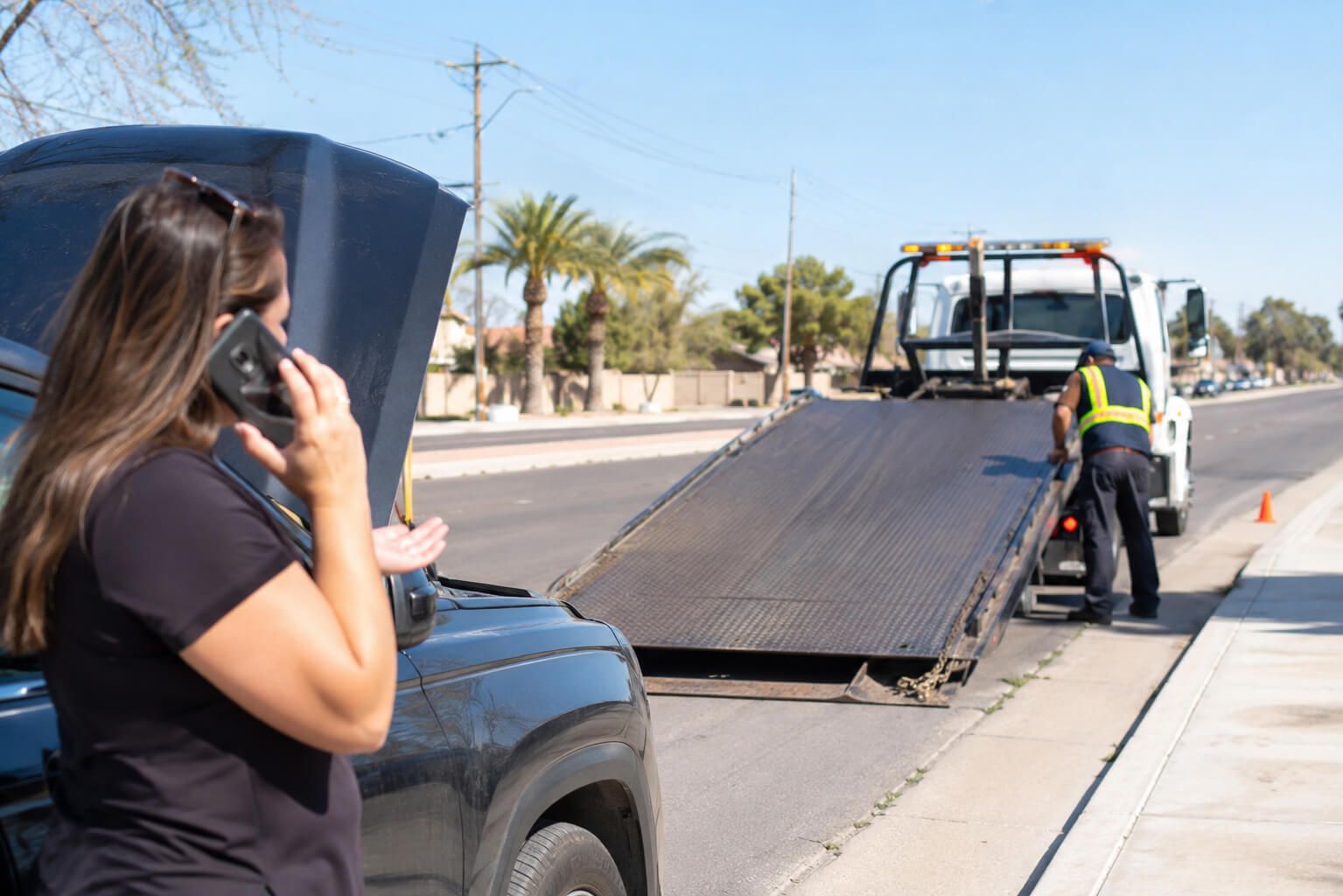
When requesting towing or roadside assistance, provide your exact location, vehicle type, condition, and a clear description of the problem so the right assistance can be arranged. At Sun City Towing Inc., we use these details to understand the situation before dispatch and determine what equipment or service may be appropriate.
A towing request can involve anything from a vehicle that will not start to a damaged vehicle that cannot safely move. The information you provide helps us understand what you are dealing with and can make the dispatch process more efficient.
What Information Does a Towing Dispatcher Need First?
The most important information is where you are, what vehicle needs assistance, and what is wrong with it. These details give our dispatch team a starting point for determining what type of response may be needed.
When you contact us, be prepared to provide:
- Your current location
- The vehicle's make, model, and general type
- A brief description of the problem
- Whether the vehicle can move
- Whether there is visible damage
- Your intended destination, if known
You do not need to diagnose the mechanical problem yourself. A simple description such as "the vehicle will not start," "the vehicle has a flat tire," or "the vehicle was involved in a collision" gives us useful information.
Our Towing Services in Phoenix, AZ are available for different vehicle and roadside situations, so accurate information helps us understand which type of assistance may be appropriate.
Why Is Your Exact Location So Important?
Location is one of the first details a dispatcher needs because a towing operator has to know where to find the vehicle.
A street address is useful when available, but it may not always be possible to provide one. If you are on a roadway, you can provide other identifying information such as:
- The road or highway you are traveling on
- Direction of travel
- Nearest cross street
- Highway exit or entrance
- Mile marker, when available
- Nearby business, intersection, or recognizable landmark
For example, saying that you are on a major Phoenix-area roadway near a specific exit provides much more useful information than simply saying that you are "in Phoenix."
If your vehicle is in a parking lot, driveway, business property, or another private location, provide the property name or address and explain where the vehicle is positioned.
What If You Are Unsure of Your Location?
If you are not sure where you are, use your phone's map application to identify the nearest street, intersection, or recognizable landmark. You can also describe nearby signs or businesses.
If your location changes after contacting us, such as when a vehicle is moved to a safer position, let dispatch know so the operator does not arrive at the wrong location.
What Vehicle Details Should You Provide?
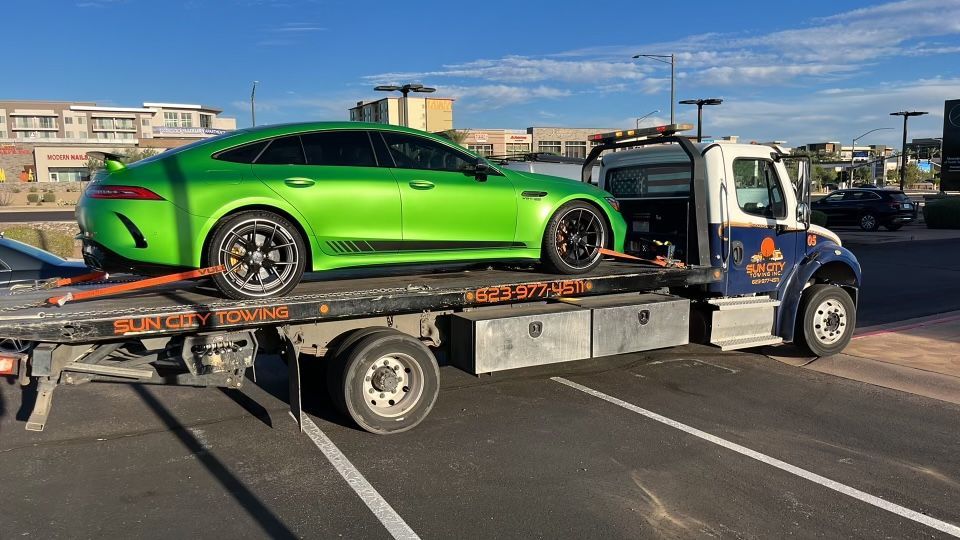
The type of vehicle helps us understand what kind of towing equipment may be appropriate.
Tell the dispatcher whether you have a:
- Passenger car
- Pickup truck
- Motorcycle
- Commercial truck
- Bus
- RV or motorhome
- Construction vehicle
- Other large or specialized vehicle
If you know the make and model, provide that information as well. For larger vehicles, additional details about the vehicle's size or configuration may be useful.
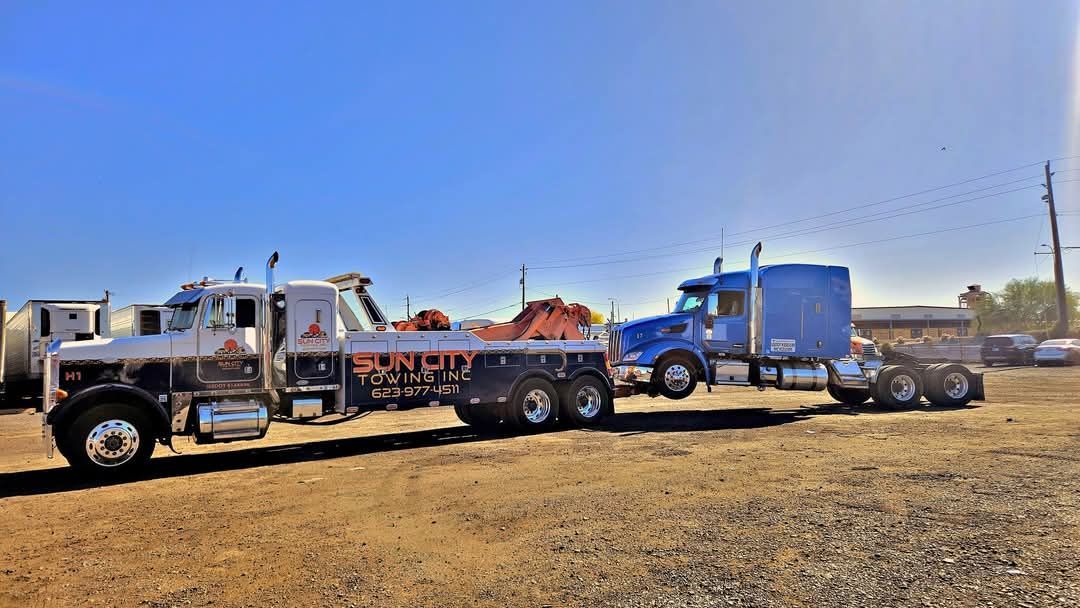
This is particularly important when a vehicle requires specialized towing equipment. We handle passenger vehicles as well as larger commercial vehicles and heavy-duty situations, so knowing what needs to be moved helps us prepare appropriately.
What Should You Tell the Dispatcher About the Vehicle's Condition?
A short, accurate description of the vehicle's condition can help us determine how the vehicle may need to be handled.
Tell the dispatcher if:
- The vehicle will not start
- The vehicle starts but cannot be driven safely
- The vehicle has visible collision damage
- A tire is flat or damaged
- The vehicle is stuck
- The vehicle is partially off the roadway
- The vehicle has another obvious problem
You do not need to identify the exact mechanical failure. If you saw a warning light, heard an unusual noise, noticed smoke, or experienced another obvious symptom, mention it.
For example, "the engine stopped while I was driving" provides useful information without requiring you to determine whether the cause was the battery, fuel system, engine, or another component.
Does It Matter Whether the Vehicle Can Still Move?
Yes. Tell the dispatcher whether the vehicle can roll, steer, start, or move under its own power.
A vehicle that starts and can be driven may require a different approach from one that cannot move at all. Similarly, collision damage or another mechanical problem may affect how the vehicle can be accessed and transported.
If you are uncertain whether the vehicle can safely move, do not attempt to drive it simply to make towing easier. Explain the situation to the dispatcher instead.
What Should You Report After a Collision?
If your vehicle has been involved in a collision, tell the dispatcher that it has sustained damage and describe anything you can safely observe.
Useful information may include:
- Whether the vehicle can move
- Whether wheels or tires appear damaged
- Whether there is significant visible body damage
- Whether the vehicle is obstructing traffic
- Whether emergency responders are present
- Whether the vehicle is in a difficult position
Do not put yourself in danger to inspect the vehicle. If you are in an unsafe location, prioritize getting yourself to a safer position and provide the information you can safely obtain.
What If the Vehicle Is in a Difficult Location?
Let us know if the vehicle is stuck, off the roadway, in a ditch, on uneven terrain, or otherwise difficult to access.
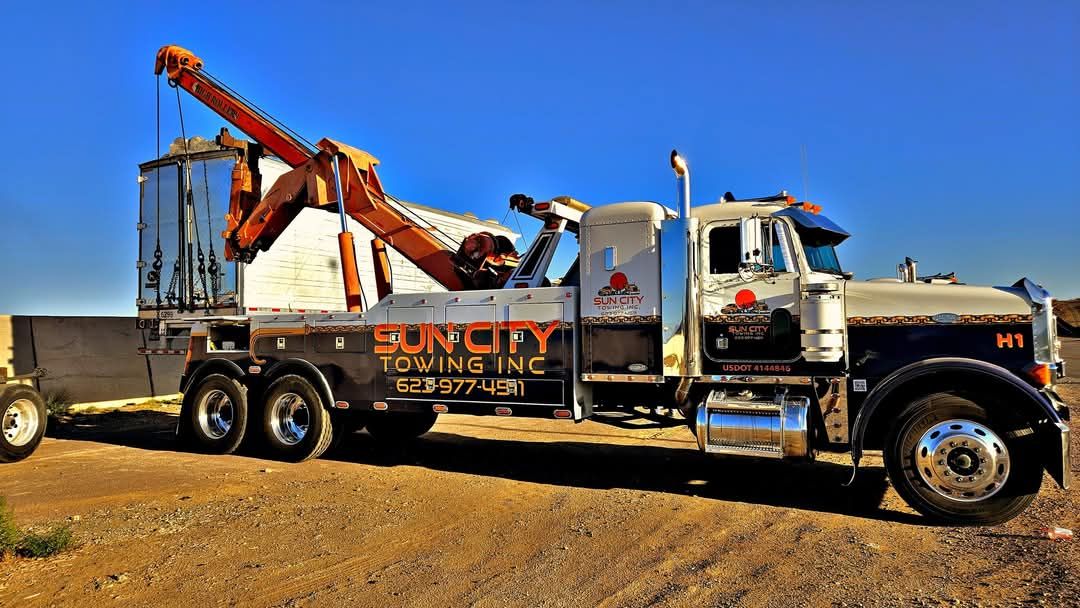
The location can affect the type of equipment and recovery approach that may be appropriate. Our services include winching and vehicle recovery for vehicles in difficult or restricted positions, as well as towing for standard and larger vehicles.
Photos can also be useful when it is safe to take them. A photo showing the vehicle's position and surrounding access area may help communicate circumstances that are difficult to describe over the phone.
Should You Tell the Dispatcher Where You Want the Vehicle Taken?
Yes, if you already know the destination.
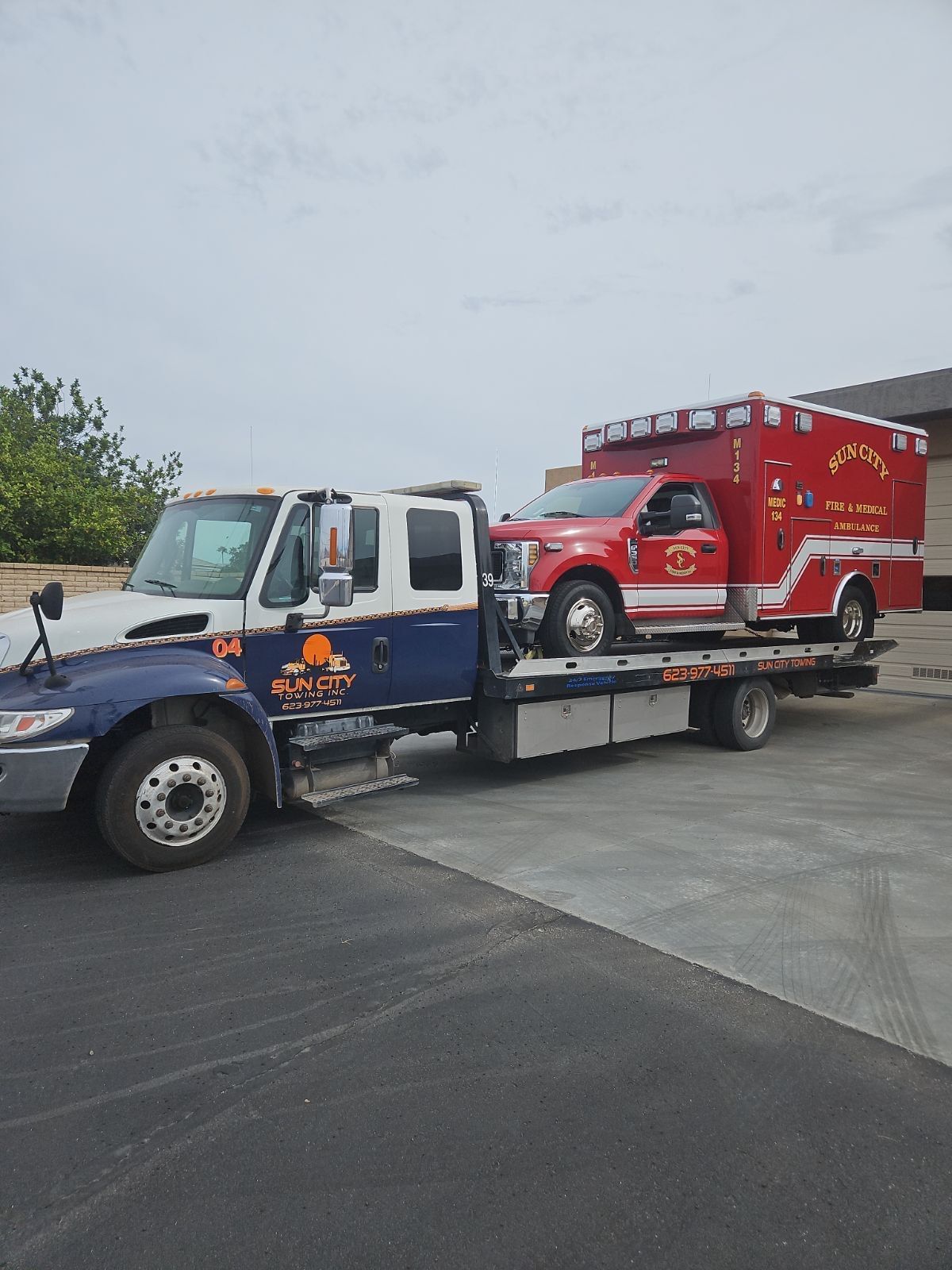
A vehicle may need to go to a repair facility, residence, business location, or another requested destination. Our towing service information notes that vehicles can typically be transported to a repair shop, residence, or another requested location based on the customer's needs.
Providing the destination early gives the towing team another important piece of information when coordinating the service.
If you do not know where the vehicle should go yet, let the dispatcher know rather than guessing. You can discuss the situation and determine the next step.
What Information Should Commercial Drivers Provide?
Commercial drivers should provide the same basic information while also identifying the vehicle as a commercial or larger vehicle.
If applicable, provide:
- Type of commercial vehicle
- Whether a trailer is attached
- General vehicle size
- Whether the vehicle is loaded
- Current location
- Nature of the problem
- Whether the vehicle can move
This information is particularly important because larger vehicles may require different equipment than passenger vehicles.
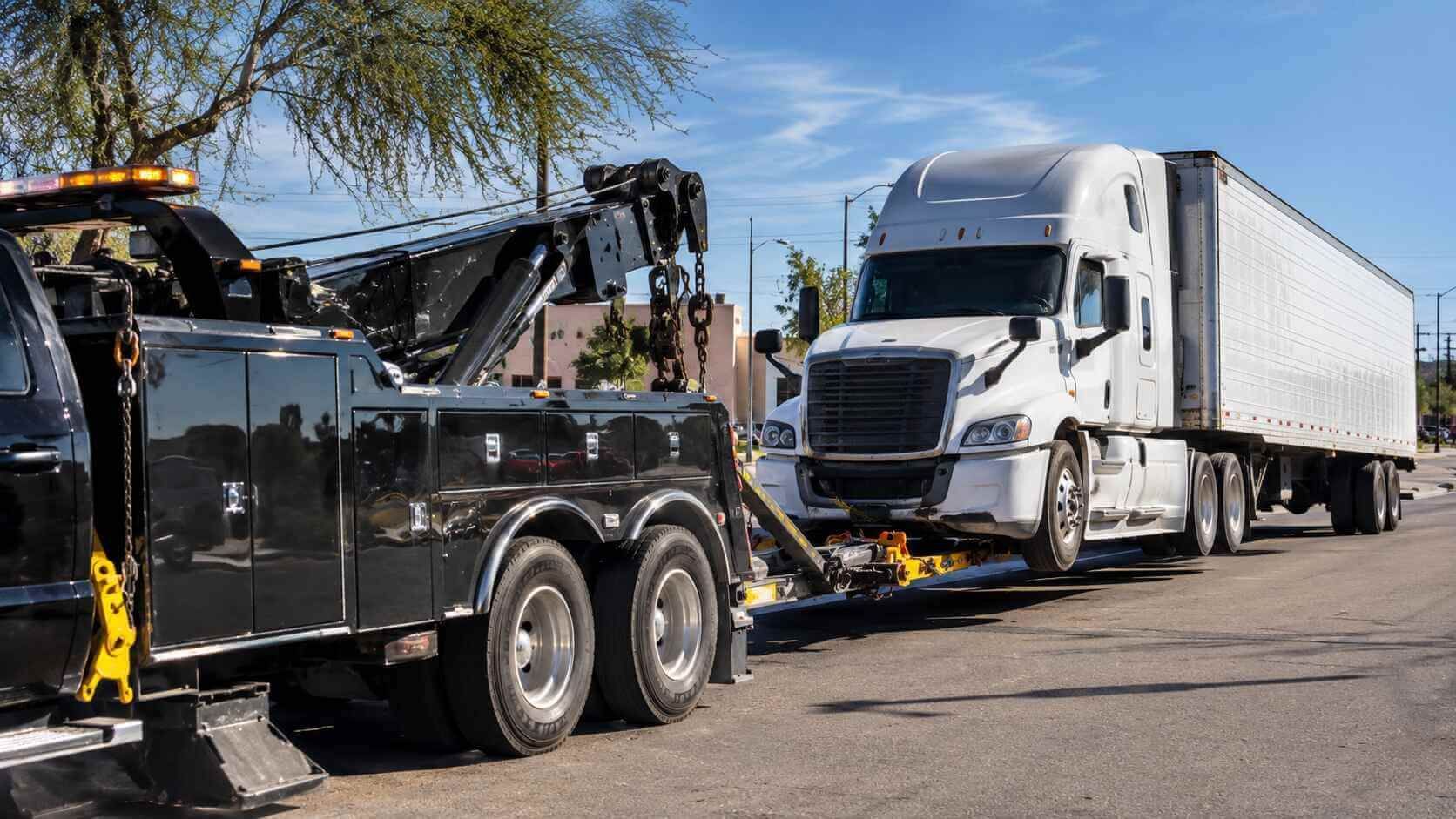
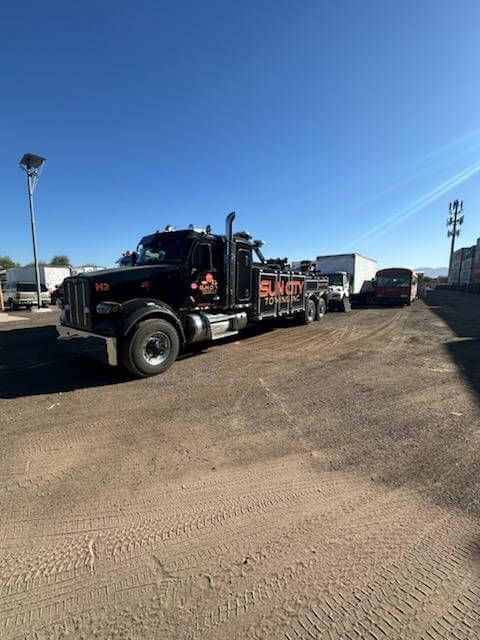
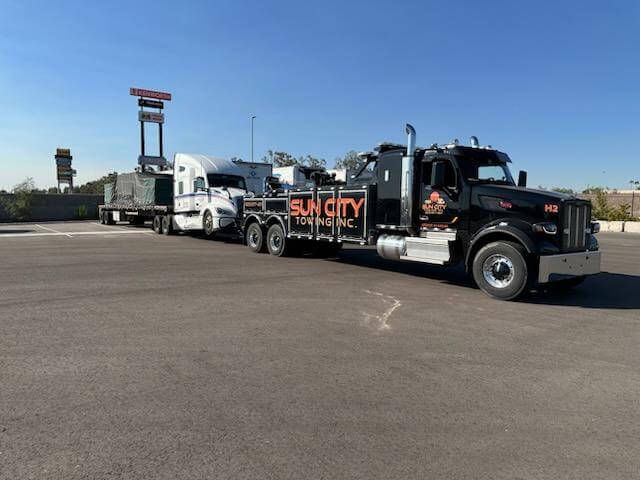
At Sun City Towing Inc., we provide towing and heavy wrecker services for large commercial vehicles, including buses, semis, and construction equipment.
What Should You Do If You Do Not Know the Cause of the Problem?
You do not need to know exactly what caused your vehicle to stop working before calling for assistance.
Describe what happened instead.
For example:
"The vehicle was running normally, then lost power and stopped."
Or:
"The vehicle starts, but it will not move."
Or:
"I have a flat tire and cannot safely continue driving."
These descriptions are more useful than trying to diagnose the problem incorrectly. Our team can use the information available to understand the towing request and determine what additional details may be needed.
What Should You Have Ready Before Calling?
Having a few basic details available can make the conversation with dispatch easier.
Before calling, if it is safe to do so, identify:
- Your location
- Vehicle type and make/model
- What happened
- Whether the vehicle can move
- Any visible damage
- Your preferred destination
- Your phone number for communication
For customers who are already dealing with a stressful roadside situation, having this information ready can help keep the call focused.
Did You Know? Arizona Tow Calls Are a Significant Part of Roadway Assistance
Arizona Department of Transportation materials reported that there were expected to be more than 595,000 tow calls for service in Arizona in 2025, according to the Arizona Professional Towing & Recovery Association. The figure highlights how often towing operators are called to assist motorists, first responders, and roadway incidents.
Because towing requests can involve many different vehicle types and situations, accurate information at the time of dispatch is especially useful.
How Can Clear Information Make the Towing Process Easier?
Good communication starts before the tow truck arrives. When we know the vehicle type, location, condition, and destination, we have a clearer understanding of what the service may require.
That does not mean every situation can be completely assessed over the phone. Some circumstances become clearer once an operator reaches the vehicle. However, accurate information at dispatch helps establish the right starting point.
For drivers, the most important thing is to be clear rather than technical. Describe what you see and what happened instead of trying to determine the exact mechanical cause.
Contact Sun City Towing Inc. When You Need Professional Assistance
When your vehicle cannot safely continue, providing accurate information to dispatch helps us understand the situation and coordinate the appropriate towing or roadside response. Whether you are dealing with a disabled passenger vehicle, a commercial truck, or another towing need in the Phoenix area, clear communication is an important first step.
If you need professional towing services, tow truck service, or roadside service,
contact us today at
(623) 977-4511. Our towing and dispatch team is available
24/7/365 to help coordinate professional assistance.